Culture
Darwin's Indigenous Roots and Wartime Scars Shape Modern City
From Larrakia ownership through wartime raids and natural disaster, documented milestones trace the city's path to its current form.
2 min read
Updated Wed, 9 Sep
Culture
From Larrakia ownership through wartime raids and natural disaster, documented milestones trace the city's path to its current form.
2 min read
Updated Wed, 9 Sep
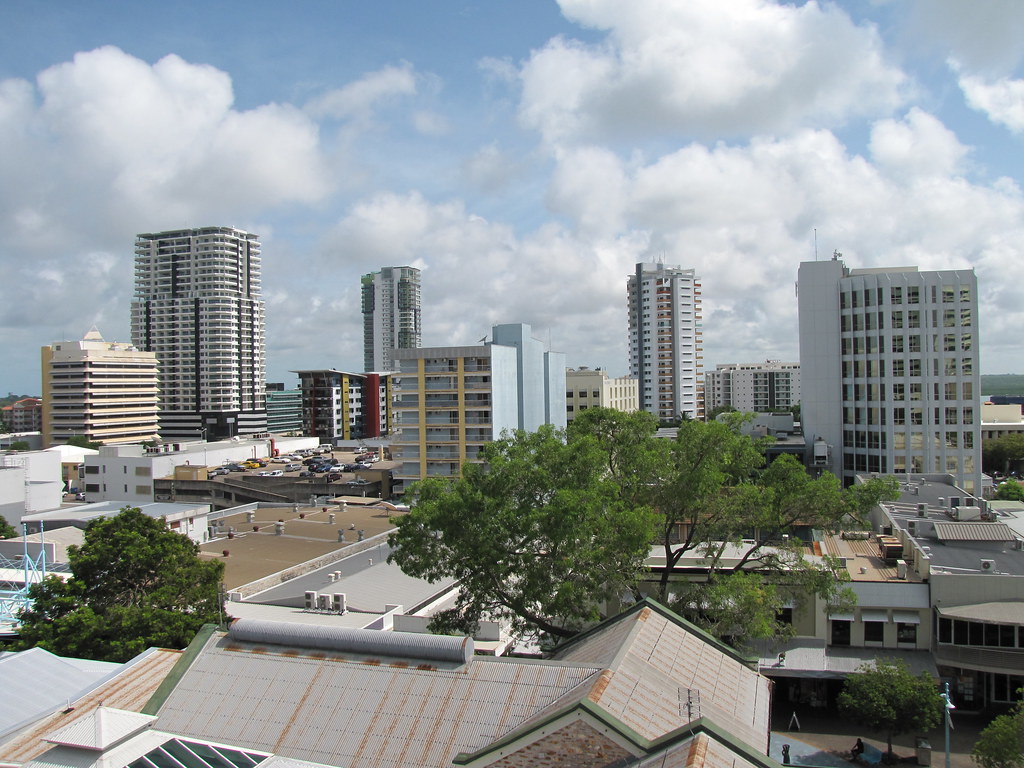
Darwin was granted city status in 1959 and today maintains a population of approximately 147,000 while serving as a multicultural gateway to Asia with ties to over 60 nationalities. These established facts anchor the ongoing story of how the city took shape.
The traditional owners of Darwin are the Larrakia (saltwater) people, whose country extends from the Cox Peninsula to the Adelaide River. European records note that the harbour received its name in 1839 from Lt. John Lort Stokes after Charles Darwin, though the explorer never visited. The settlement itself began as Palmerston in 1869 before the name changed to Darwin in 1911. These layers of ownership and naming remain central to any account of how the local scene developed.
On February 19, 1942, Japanese aircraft bombed Darwin in the first and largest air attack on Australia, killing over 243 people. The raids continued, with more than 60 air attacks recorded until October 1943. Such documented attacks left lasting physical and social marks that shaped later rebuilding efforts across the city.
Cyclone Tracy struck on Christmas Day 1974, killing 71 people and destroying over 70 percent of the city's buildings. The storm prompted the evacuation of more than 30,000 residents. Recovery from this single event required sustained reconstruction that directly influenced the layout and infrastructure still in place.
These dated occurrences, drawn from public historical accounts, supply the concrete timeline for Darwin's development. No later figures override the recorded population of approximately 147,000 or the 1959 grant of city status. Residents and visitors seeking further detail can consult the listed source records that preserve the original accounts of ownership, settlement dates, bombing figures, and cyclone impacts.

Culture

Culture
Culture

Culture

Culture
Culture
About this articleBeta
Published by The Daily Darwin
Spread the word
Daily brief
Free, in your inbox before 7am. Weekdays.
The Daily Network — local news across Australia