The spreadsheets don't lie. While investors in Sydney and Melbourne wrestle with sub-3% rental yields, savvy money is quietly flooding into Darwin's residential market, where annual returns of 6-7% have become the norm rather than the exception.
The numbers paint a compelling picture. With the median house price hovering around $490,000, a property yielding 7% generates roughly $34,000 in annual rental income-a return that would require a $1.1 million asset in Sydney to match. That gap is proving too attractive for institutional investors and experienced portfolios to ignore.
The catalyst isn't speculation; it's fundamentals. Darwin's economy remains anchored by government employment, defence expansion, and the mining sector-sectors that have proven remarkably resilient. This structural demand translates directly into strong tenant quality and consistent occupancy rates across the inner suburbs and established growth corridors like Palmerston.
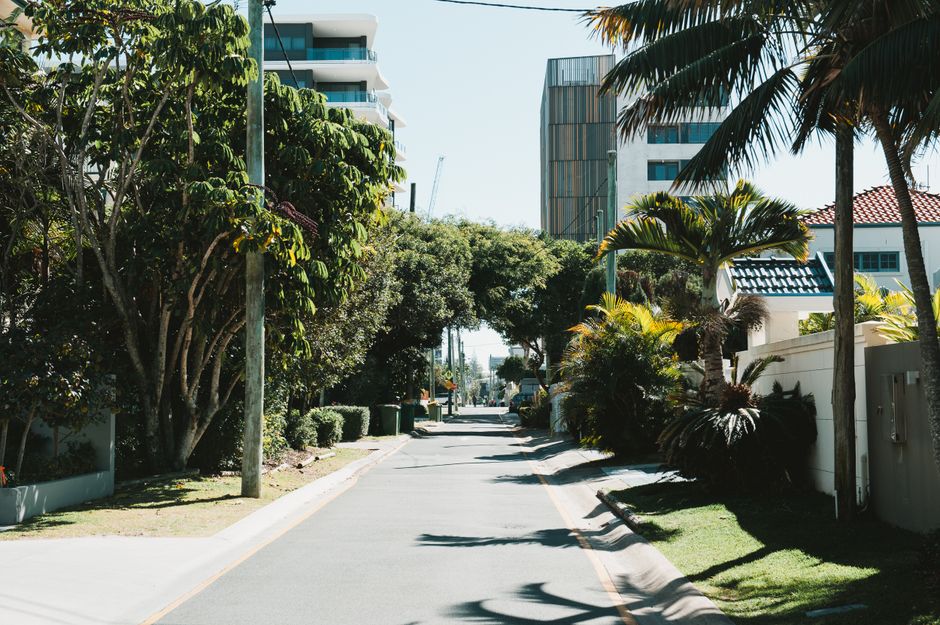
Suburbs like Fannie Bay, Stuart Park, and Larrakeyah have emerged as investor favourites, offering a blend of accessibility, established amenities, and rental demand from the professional workforce. Properties in these precincts are moving quickly, with savvy investors recognising that sub-$550,000 entry points combined with high yields represent genuine arbitrage against southern markets.
The rental market itself tells the story. Darwin's chronic shortage of quality rental stock-partly legacy of COVID-era constraints-has kept vacancy rates tight and rents resilient. Landlords report minimal trouble securing tenants and maintaining rents at competitive levels, a stark contrast to the landlord-challenged environment in many capital cities.
Property Council Australia's recent NT Property Report noted returning market confidence, with investor inquiries rising sharply. The narrative has shifted from speculative price growth to yield-focused acquisition, suggesting a more mature, rational investment cycle is taking hold.
Of course, Darwin investors shouldn't expect Sydney-style capital growth. The market's strength lies in rental income generation and long-term stability rather than boom-bust cycles. For investors exhausted by negative-gearing debates and searching for positive cash flow, that's precisely the point.
With six of Australia's ten strongest-performing suburbs in 2026 located in Darwin, and the market showing genuine momentum rather than hype, the Territory's reputation as a secondary market ripe for yield-hungry investors is finally, and deservedly, shifting.
The smart money isn't chasing headlines. It's chasing 7%.
This article was compiled by AI and screened before publishing. See our editorial standards.
This article is general information only and is not personal financial or investment advice. Consider your own circumstances and seek licensed professional advice before making financial decisions.
Sources Include (But not Limited to)
Source material used in preparing this article is listed below so readers can check the original record.