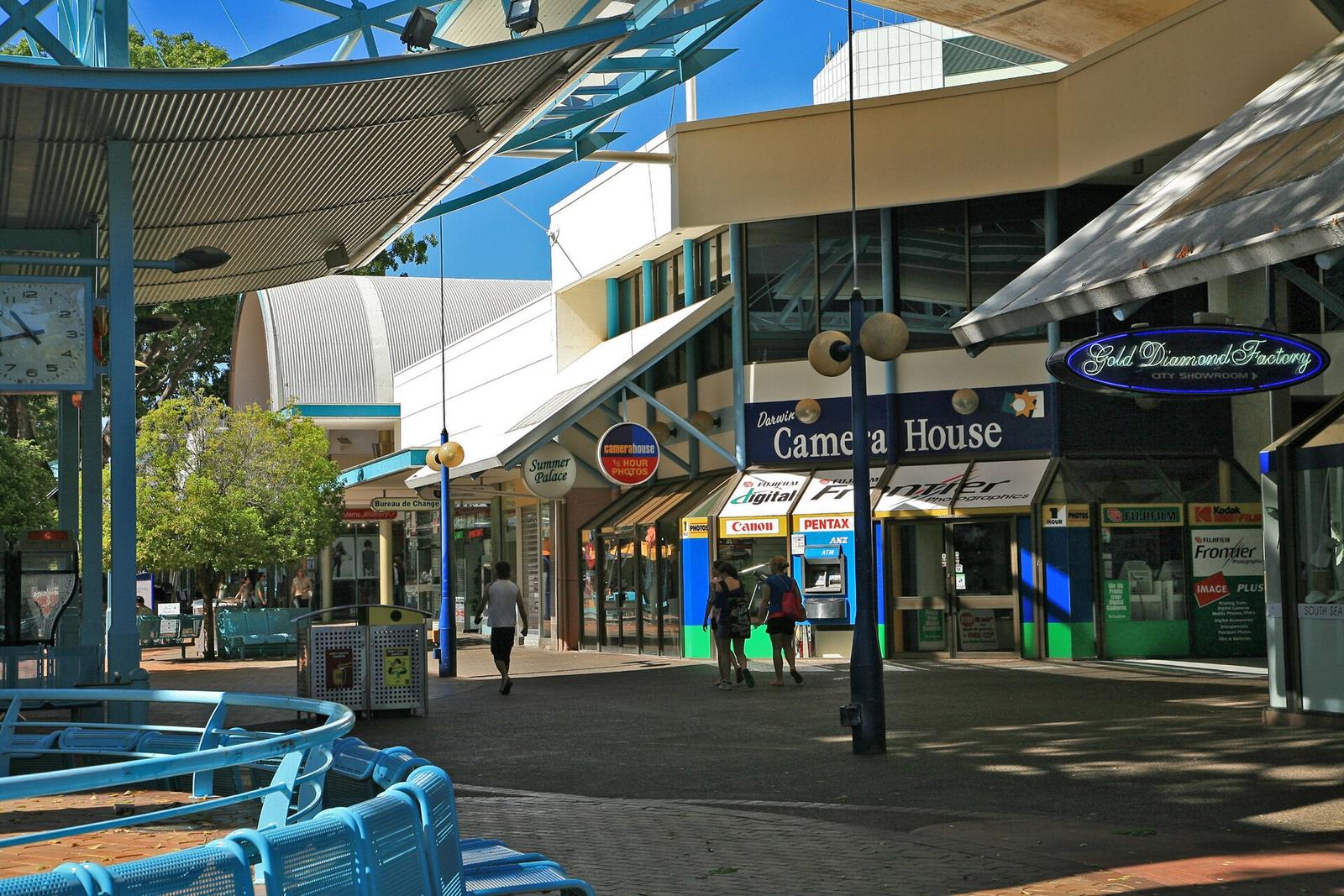
Cyclone Tracy killed 71 people and destroyed 70 percent of Darwin's housing stock when it crossed the coast on Christmas Day, 1974. Half a century later, the city rebuilt from that catastrophe is being studied by urban planners from Miami to Manila, studied, praised, and in some critical respects, found wanting.
The timing matters. The 2026 cyclone season closed last month with three named storms threatening the Top End, and the federal government's National Emergency Management Agency is mid-way through a five-year review of tropical city resilience frameworks. Darwin sits at the centre of that review as a case study in what a city can do after total destruction, and what it still hasn't done after five decades of trying.
The Tracy Standard, and Where Darwin Actually Stands
The rebuild after Tracy was, by any measure, extraordinary. The Australian Institute of Architects has documented how post-1975 Darwin construction codes, mandatory cyclone ties, elevated slab requirements, wind-rated glazing, became the template absorbed into AS 4055, the national wind load standard. Buildings along The Esplanade and throughout the Parap suburb that were reconstructed under those codes performed measurably better during Cyclone Lam in 2015 and Cyclone Marcus in 2018, when gusts reached 130 km/h over Darwin Harbour.
Marcus caused an estimated $65 million in damage, but no fatalities and no mass evacuation. Compare that to Cyclone Yasi, which hit Townsville's hinterland in 2011 with similar intensity, displaced 175,000 people and cost $3.5 billion nationally. Darwin's post-Tracy engineering discipline made a real difference.
But engineering is only part of the equation. Planners from Glasgow, a city that has spent fifteen years restructuring its emergency social services after decades of neglect, point out that Darwin's physical resilience sits alongside persistent social vulnerability. The NT Government's own data shows that more than 4,200 Darwin households, concentrated in suburbs like Malak, Karama, and Moulden, are classified as housing-stressed, spending more than 30 percent of income on rent. A cyclone evacuation order affecting those suburbs means people without cars, without savings, and in many cases without formal tenancy protections.
What Other Cities Are Doing That Darwin Isn't
Rotterdam and Miami have both invested heavily in community-level cyclone and flood preparedness officers, paid, embedded local workers who know which households have mobility limitations, which aged-care facilities have backup generators, which streets flood first. Rotterdam's climate adaptation office employs 34 such officers across its most exposed neighbourhoods. Darwin has no direct equivalent, though Territory Families and the NT Emergency Service have discussed a pilot program for the 2026-27 budget cycle.
The comparison that stings locally is with Cairns. Queensland has operated a dedicated Tropical Cyclone Community Liaison Network since 2021, funded at $4.2 million annually, giving Far North Queensland councils dedicated pre-disaster community coordinators. Darwin City Council and the NT Government remain in separate silos on the question of who funds and leads community-level preparedness, a jurisdictional argument that predates Tracy itself.
There are genuine strengths here that shouldn't be buried. The Cyclone Tracy Memorial in Bicentennial Park is not just a monument; it anchors an active public education program run through the Museum and Art Gallery of the Northern Territory on Conacher Street, which reaches around 14,000 school students each year. Survivor testimony, architectural salvage, and meteorological data are all preserved there in ways that few disaster-affected cities have managed.
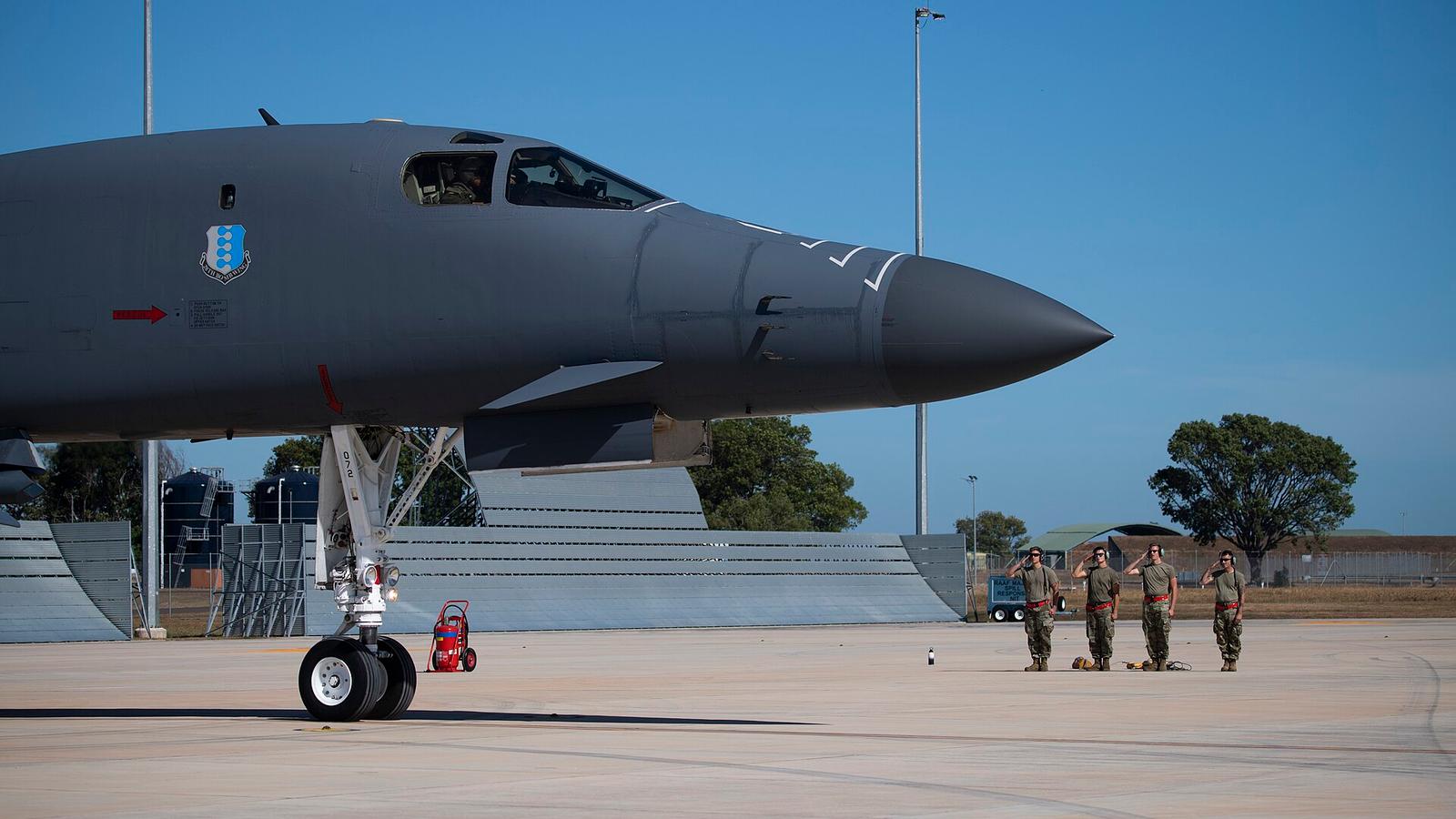
The AUKUS defence build-up at RAAF Base Darwin has also, somewhat unexpectedly, strengthened civilian emergency capacity. The rotating US Marine presence and infrastructure upgrades have improved satellite communications and logistics staging that would be available in a major cyclone response, a detail NT Emergency Management quietly acknowledges in its planning documents.
The practical reality for Darwin residents heading into the 2026-27 wet season: check the NT Government's MyStorm app, confirm your nearest evacuation centre, Marrara Christian College and Darwin High School on Tiger Brennan Drive are both designated, and if you're in Malak or Karama, know that public bus evacuation is the official plan. Whether that plan scales under a Tracy-magnitude event is the question serious planners are still unable to answer with confidence.