News
Darwin Emergency Services Reveal Strengths and Gaps in Global Comparison
As Darwin faces unique challenges, its emergency response systems reveal strengths and gaps when compared with similar cities worldwide.
3 min read
Updated Sat, 5 Sep
News
As Darwin faces unique challenges, its emergency response systems reveal strengths and gaps when compared with similar cities worldwide.
3 min read
Updated Sat, 5 Sep
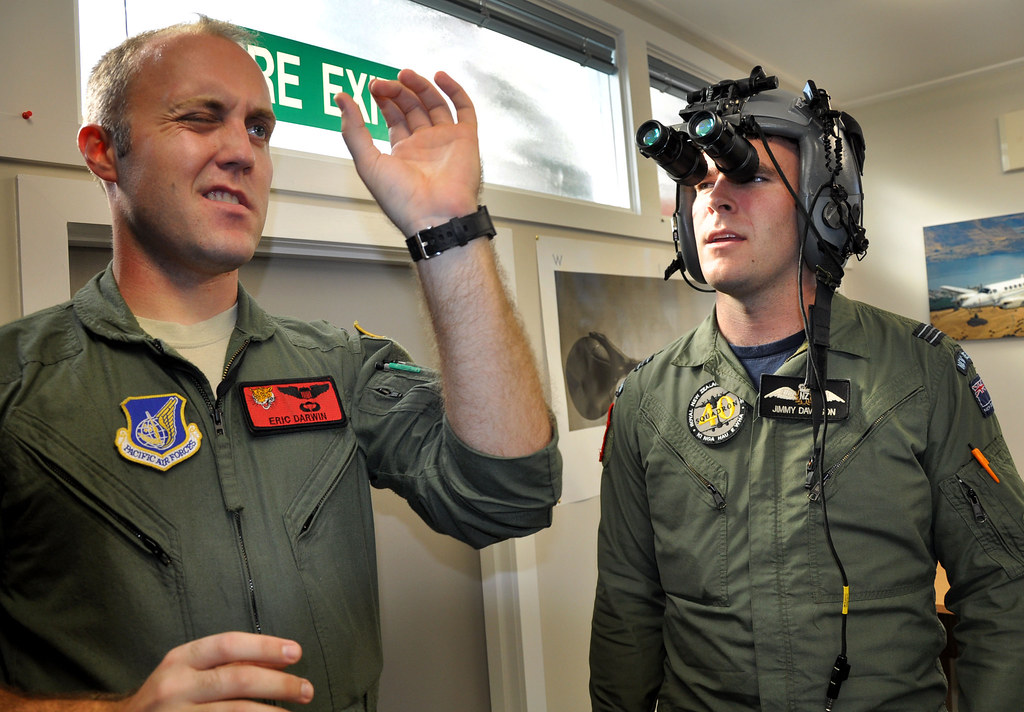
Darwin’s emergency services continue to operate within a distinct context shaped by regional climate risks and strategic defence interests, setting it apart from many cities globally. Unlike metropolitan hubs with vast infrastructure, Australia’s northernmost capital adapts its emergency response to remote communities and seasonal extremes, highlighting a tailored approach rather than a one-size-fits-all model.
The importance of Darwin’s emergency services is underscored by its geographic location and demographic composition. Positioned at the doorstep of the Asia-Pacific, the city faces cyclones, flooding, and the impact of climate change that can exacerbate natural disasters. Additionally, with the NT Labor government's ongoing investments in remote community housing and infrastructure, the capacity to respond quickly and efficiently to emergencies has become a focus within the broader strategy of resilience and safety.
Another factor placing pressure on emergency services in Darwin is the region's forward deployment of US Marines and AUKUS-related defence build-up. This presence introduces complex logistical demands and necessitates cooperation between military and civilian emergency responders, distinguishing Darwin’s operations from similarly sized international cities that lack such defence dynamics.
While cities like Honolulu or Cairns share threats of cyclones and regional isolation, Darwin's emergency response is specifically calibrated to its unique infrastructure challenges and cultural landscape, including Aboriginal land areas affected by land rights and royalty disputes. These disputes sometimes complicate access and coordination during emergencies, prompting tailored collaboration efforts with First Nations groups, such as those engaged in forums like Garma.
As a regional hub, the city’s emergency services must balance rapid urban response with remote outreach, aligning with NT government programs focused on increasing housing stability and infrastructure resilience in vulnerable communities. This localized approach differentiates Darwin from global counterparts that may have larger population bases but less dispersed populations.
Data from recent years reveals that emergency management in Darwin often leans on inter-agency coordination, incorporating federal and defence stakeholders to mitigate risks posed by its strategic location and environmental conditions. While precise response times vary, the integration between local services and military resources remains vital.
In comparison, global cities with similar populations might focus more on urban disaster management or broader climate resilience initiatives, but may lack the layered complexity of military coexistence and remote community engagement that defines Darwin’s situation.
Residents and visitors to Darwin should remain aware that emergency services here operate within a tailored framework designed for rapid adaptation to local realities. This includes heightened vigilance during the wet season and coordination with community leaders for swift response in remote areas. Those living in or traveling to such areas should stay informed through official NT government channels and local alerts.
As the city continues to develop its infrastructure and emergency protocols under ongoing government attention, the focus remains on enhancing resilience through cooperation across civilian, military, and Indigenous sectors. While Darwin shares some challenges with other northern hemisphere cities facing natural risks, its emergency services reflect the city’s distinct character, geography, and strategic importance in ways few global peers experience.

News

News

News
News

News
News
About this articleBeta
Published by The Daily Darwin
Spread the word
Daily brief
Free, in your inbox before 7am. Weekdays.
The Daily Network — local news across Australia